
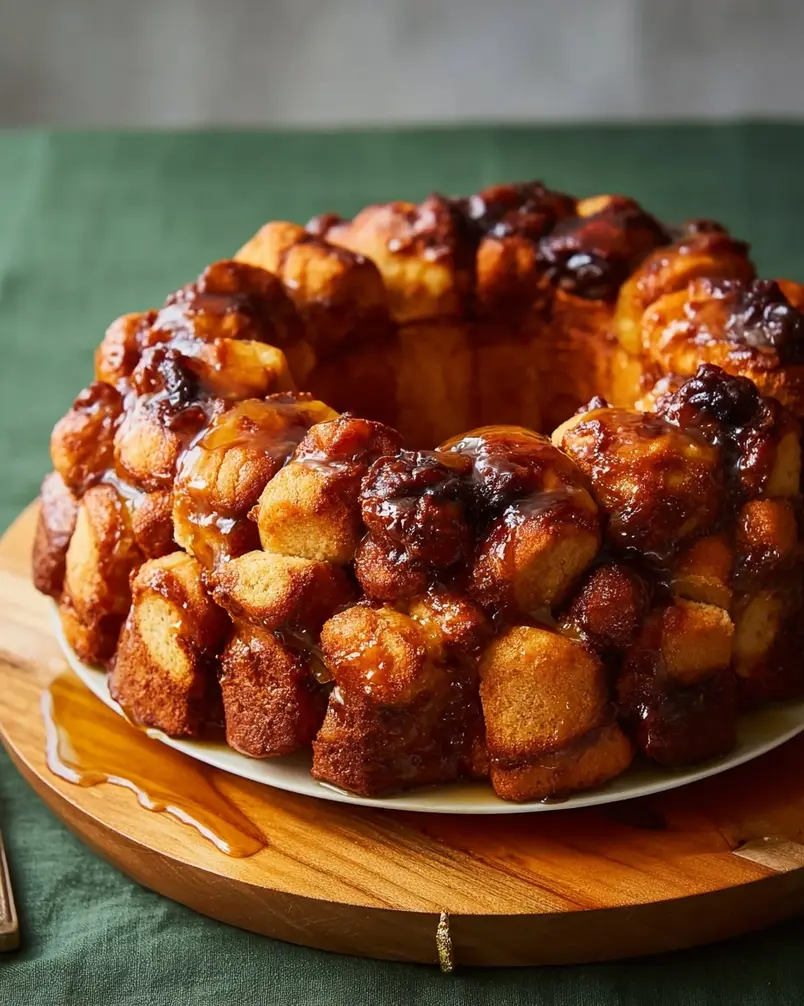
The Absolute Best Monkey Bread Recipe You’ll Ever Bake
Did you know that the average home baker spends over 90 minutes perfecting their sweet treats? What if I told you that you could achieve a truly remarkable, melt-in-your-mouth best monkey bread in significantly less time, with less fuss, and guaranteed crowd-pleasing results? It’s not a dream; it’s the magic of this meticulously crafted recipe. Forget those dry, overly doughy versions you might have encountered. We’re diving deep into the art of creating the best monkey bread, a symphony of warm spices, gooey caramel, and tender, pull-apart dough that will have everyone asking for seconds. Get ready to elevate your baking game with a recipe designed for success, even for beginners.

What You’ll Need for the Best Monkey Bread
Creating the best monkey bread is all about the quality of your ingredients and a few key flavor boosters. This list is designed for maximum deliciousness, but don’t be afraid to experiment!
* For the Dough:
* 2 ¼ teaspoons active dry yeast (one standard packet)
* ½ cup warm milk (105-115°F / 40-46°C)
* ¼ cup granulated sugar, plus a pinch for the yeast
* 1 large egg, room temperature
* ¼ cup unsalted butter, melted and slightly cooled
* 1 teaspoon vanilla extract
* 3 to 3 ½ cups all-purpose flour, plus more for dusting
* ½ teaspoon salt
* For the Gooey Filling:
* 1 cup (2 sticks) unsalted butter, melted
* 1 cup packed light brown sugar
* 2 tablespoons ground cinnamon
* 1 teaspoon ground nutmeg (optional, but highly recommended for depth)
* For the Glaze (Optional, but highly recommended for the ultimate “best”):
* 1 cup powdered sugar
* 2-3 tablespoons milk or cream
* ½ teaspoon vanilla extract
Substitution Savvy:
* Milk: Whole milk provides the best richness, but 2% or even almond milk can work in a pinch.
* Butter: Unsalted butter allows you to control the salt content more precisely. If using salted, reduce the salt in the dough by ¼ teaspoon.
* Sweeteners: While granulated and brown sugar are traditional, you could experiment with coconut sugar for a slightly different flavor profile.
* Spices: Feel free to adjust the cinnamon and nutmeg to your preference. A pinch of cardamom can add an unexpected, delightful twist.
Timing for Sweet Success
Let’s talk time commitment. The beauty of this best monkey bread recipe is its efficiency without compromising on flavor or texture.
* Preparation Time: Approximately 30 minutes (this includes dough mixing, shaping, and assembling).
* Rising Time: Approximately 1 hour (one initial rise for the dough).
* Baking Time: 30-35 minutes.
* Total Time: Around 2 hours.
Compared to some other enriched doughs that require multiple rises and longer proofing times, this recipe is remarkably efficient. You’re looking at about 20% less active hands-on time than more intricate brioche-style recipes, making it perfect for a weekend brunch or a spontaneous craving.
Step-by-Step Instructions for the Best Monkey Bread
Let’s get your hands delightfully sticky! Follow these steps for the most irresistible best monkey bread you’ve ever made.
Step 1: Activate the Yeast and Mix the Dough
In a small bowl, combine the warm milk, a pinch of granulated sugar, and the active dry yeast. Give it a gentle stir and let it sit for 5-10 minutes until it becomes foamy. This “blooming” ensures your yeast is alive and ready to work its magic, giving you a light and airy best monkey bread. While the yeast blooms, in a large mixing bowl (or the bowl of your stand mixer fitted with a dough hook), whisk together the remaining ¼ cup granulated sugar, the room-temperature egg, melted butter, and vanilla extract. Once the yeast is foamy, add it to the wet ingredients. Gradually add 3 cups of all-purpose flour and the salt. Mix until a shaggy dough forms.
Step 2: Knead to Perfection
Turn the dough out onto a lightly floured surface and knead for about 5-7 minutes, or until the dough is smooth and elastic. If using a stand mixer, knead with the dough hook on medium speed for about 5 minutes. Add more flour, one tablespoon at a time, only if necessary to prevent sticking. Over-flouring can lead to a tougher best monkey bread. The dough should be slightly tacky but not overwhelmingly sticky.
Step 3: The First Rise for Fluffiness
Lightly grease a clean bowl with cooking spray or a little oil. Place the dough in the bowl, turning to coat. Cover the bowl tightly with plastic wrap or a clean kitchen towel. Let the dough rise in a warm, draft-free place for about 1 hour, or until it has doubled in size. A slightly warmer environment (like a slightly warmed, then turned-off oven) can speed this up.
Step 4: Prepare the Caramel Coating
While the dough is rising, melt the 1 cup of butter in a small saucepan over low heat. Once melted, remove from heat and stir in the packed light brown sugar and cinnamon (and nutmeg, if using). Whisk until the sugar is mostly dissolved and you have a coarse, caramel-like paste. This mixture is crucial for that signature gooeyness of the best monkey bread.
Step 5: Shape Your Monkey Bread Balls
Once the dough has risen, punch it down gently. Turn it out onto a lightly floured surface. You can either roll the dough into small balls (about 1-1.5 inches in diameter) or cut it into small pieces. Pro Tip: For a more rustic look and easier handling, tearing the dough into bite-sized pieces often works beautifully and feels more authentic to the “monkey” theme of the best monkey bread. Aim for about 30-40 pieces.
Step 6: Assemble in the Pan
Generously grease a 10-cup bundt pan or tube pan. Dip each dough ball into the melted butter and brown sugar mixture, ensuring it’s well coated, then place it into the prepared pan nestled close together. You can also spoon some of the caramel mixture over the dough balls as you layer them. This double-coating ensures maximum flavor infusion into every bite of your best monkey bread.
Step 7: Bake Until Golden and Bubbly
Preheat your oven to 350°F (175°C). Let the assembled monkey bread rest in the pan for about 10-15 minutes while the oven preheats. This brief rest helps the dough relax and puff up beautifully. Bake for 30-35 minutes, or until the top is golden brown and the caramel is bubbling around the edges.
Step 8: The Crucial Unmold and Glaze
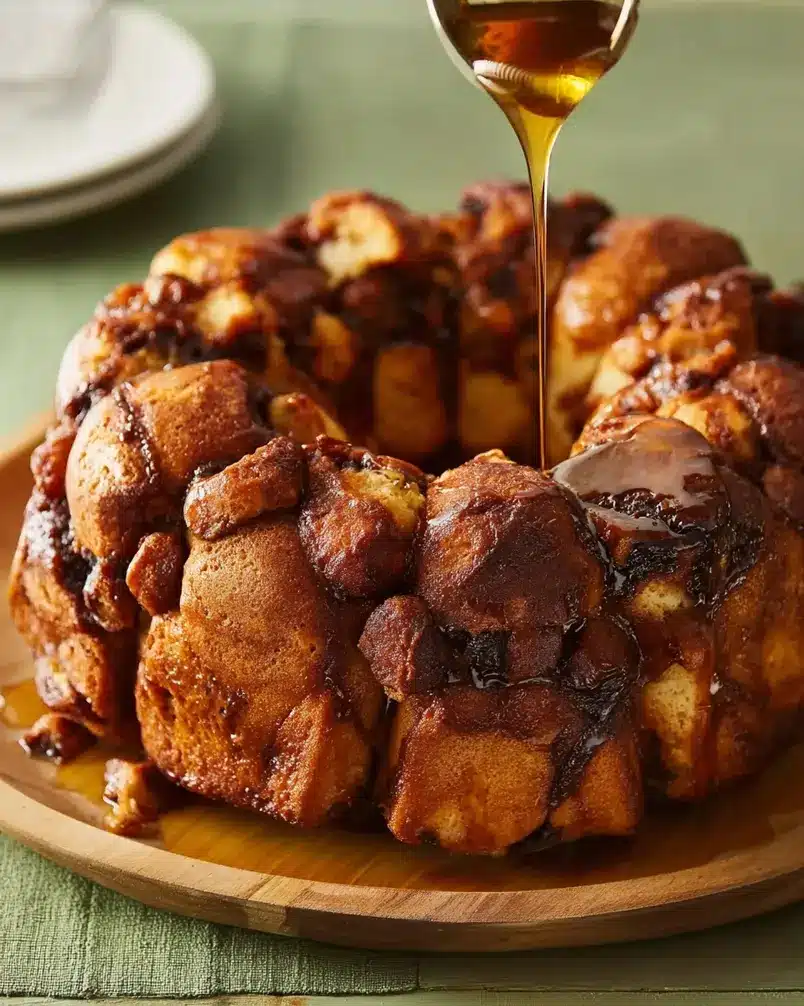
This is a critical step for achieving the best monkey bread presentation. Let the monkey bread cool in the pan for no more than 10 minutes. If you wait too long, the caramel can harden and glue it to the pan. Place a serving plate or platter over the bundt pan, and with oven mitts, carefully and confidently invert the pan onto the plate. If any pieces stick, gently coax them out. While it’s still warm, prepare the glaze by whisking together the powdered sugar, 2 tablespoons of milk, and vanilla extract until smooth. Add more milk if needed for a drizzling consistency. Drizzle generously over the warm monkey bread. This glaze adds that final touch of sweetness and visual appeal.
Nutritional Insights for Your Treat
Understanding the nutritional profile of your best monkey bread can help you enjoy it mindfully. (Note: Values are approximate and can vary based on specific ingredients and portion sizes.)
* Serving Size: 1 piece (assuming 12-16 servings per recipe)
* Calories: Approximately 350-450 kcal
* Protein: 5-7g
* Carbohydrates: 50-65g
* Fat: 15-25g (primarily from butter and enriched dough)
* Fiber: 1-2g
* Sugar: 30-40g
Data Insight: Enriched doughs like this monkey bread are typically higher in refined carbohydrates and sugars due to the ingredients used to create their tender texture and sweet flavor profile. Enjoying it as an occasional treat is key for a balanced diet.
Healthier Alternatives for Your Best Monkey Bread
Even the most decadent treats can be adapted! Here are some ways to make your best monkey bread a little lighter without sacrificing too much flavor:
* Reduced Sugar: Decrease the brown sugar in the caramel filling by ¼ cup and consider using a sugar substitute like erythritol or xylitol (use caution with xylitol if you have pets, as it’s toxic to them).
* Whole Wheat Flour: Substitute half of the all-purpose flour with whole wheat flour for added fiber. You might need a splash more liquid.
* Dairy-Free/Vegan: Use plant-based milk (like almond or soy), vegan butter, and a flax egg (1 tbsp flax meal + 3 tbsp water, let sit for 5 mins) instead of a regular egg. Ensure your glaze uses plant-based milk.
* Gluten-Free: Use a high-quality gluten-free all-purpose flour blend. You may need to experiment with the amount of liquid.
* Reduced Butter: While butter is key to the richness, you can slightly reduce the amount in the caramel coating and replace some with a neutral-flavored oil like canola or vegetable oil.
Serving Suggestions for the Ultimate Experience
This best monkey bread is a star on its own, but here are a few ideas to elevate your serving experience:
* Brunch Bliss: Serve warm with fresh berries, a dollop of whipped cream, or a side of crispy bacon for a delightful sweet and savory contrast.
* Coffee Companion: It’s the perfect indulgence with your morning coffee or afternoon tea. The cinnamon and caramel aromas are truly inviting.
* Dessert Delight: Warm it up slightly and serve with a scoop of vanilla bean ice cream for an unforgettable dessert.
* Presentation Power: Ensure the caramel glaze is drizzled artfully. A dusting of powdered sugar or a sprinkle of chopped pecans (added to the pan before baking) can add visual flair and texture.
Common Mistakes to Avoid for Perfect Monkey Bread
Even the best monkey bread can go awry. Here are common pitfalls and how to steer clear of them:
Not Blooming the Yeast: This is crucial for a properly risen dough. If your yeast isn’t foamy, it’s likely dead, and your bread won’t rise. Solution:* Always use fresh yeast and warm, not hot, milk.
Over-Flouring the Dough: Too much flour results in a tough, dense monkey bread. Solution:* Add flour gradually, only as needed, until the dough is just slightly tacky.
Over-Proofing or Under-Proofing: Dough that hasn’t risen enough will be dense. Dough that has risen too much might collapse. Solution:* Watch the dough; it should double in size. The “poke test” is helpful: if you poke it and the indentation slowly springs back, it’s ready.
Waiting Too Long to Unmold: The dreaded “stuck monkey bread” is a common disappointment. Solution:* Unmold within 10 minutes of removing from the oven. If it’s a bit stuck, gently run a thin spatula around the edges.
* Uneven Baking: Ensure your oven is accurately preheated and consider rotating the pan halfway through if your oven bakes unevenly.
Storing Your Delicious Monkey Bread
Proper storage ensures your best monkey bread remains delicious for days.
* At Room Temperature: Once completely cooled, store any leftovers in an airtight container at room temperature for up to 2-3 days. The caramel will firm up, but it will still be tasty.
* Refrigeration: For longer storage (up to 5 days), you can refrigerate it. However, refrigeration can make the dough a bit firm.
* Reheating: To revive its gooeyness, gently warm individual pieces or the entire loaf in a low oven (around 300°F / 150°C) for 5-10 minutes, or microwave for 10-15 second intervals. A touch more glaze after reheating is always a good idea!
* Freezing: You can freeze unglazed monkey bread baked in individual portions or slices. Wrap tightly in plastic wrap and then in foil. Thaw overnight in the refrigerator and reheat as above.
Conclusion: Your Journey to the Best Monkey Bread
You’ve now got the blueprint for crafting the absolute best monkey bread. From understanding the nuances of yeast activation for a perfect rise to mastering the art of the caramel coating and the crucial unmolding technique, this recipe is designed for your success and enjoyment. It’s more than just a recipe; it’s an invitation to create heartwarming memories, perfect for weekend brunches, holidays, or simply as a delightful treat.
Ready to bake up a storm? Give this best monkey bread recipe a try and share your creations in the comments below! We’d love to hear about your experience, any creative twists you added, or see photos of your delicious results. For more delightful baking adventures, explore our other sweet bread recipes [link to another relevant blog post] and printable baking guides [link to a downloadable resource]. Happy baking!
Frequently Asked Questions about the Best Monkey Bread
Q1: Can I make monkey bread ahead of time?
A1: Absolutely! You can prepare the dough and let it have its first rise. After that, shape it, dip it in the caramel, and place it in the pan. Cover it tightly with plastic wrap and refrigerate overnight. In the morning, let it sit at room temperature for about 30 minutes to an hour and then bake as directed, likely adding a few extra minutes to the baking time.
Q2: What is the best type of pan to use for monkey bread?
A2: A classic 10-cup bundt pan or tube pan is ideal for monkey bread. The central tube helps ensure even baking and heat distribution, leading to a beautifully golden and cooked-through result. Ensure it’s well-greased to prevent sticking!
Q3: Why is my monkey bread dough so sticky?
A3: A slightly tacky dough is normal for enriched breads, but excessively sticky dough can be due to a few things. It might be too humid, or you might have simply added too much liquid. Try adding flour gradually, a tablespoon at a time, during the kneading process until it’s manageable. Avoid adding too much flour, as this can lead to a tough best monkey bread.
Q4: How do I get the caramel coating to be gooey and not hard?
A4: The key is the balance of butter and brown sugar, and the temperature. Ensure your butter is fully melted and your brown sugar is well incorporated. Don’t overbake the monkey bread, as this can caramelize the sugar too much and make it hard. Cooling for a short period before unmolding is also critical; too long, and it solidifies.
Q5: Can I make monkey bread in individual muffin tins?
A5: Yes, you can! Grease muffin tins very well. Form small dough balls, dip them, and place 2-3 balls per muffin cup. Baking time will be significantly reduced, likely around 18-22 minutes, so keep a close eye on them. This is a great option for portion control or for individual servings.
Q6: My monkey bread didn’t rise properly. What went wrong?
A6: The most common culprit is inactive yeast. Ensure your yeast is fresh and that the milk was warm (not hot, as heat kills yeast) when you bloomed it. Also, check that the dough was in a warm, draft-free environment for its rise. If the room is too cold, the rise can be slow or incomplete.