

The Ultimate Danish Kringle Recipe: Your Guide to Perfection
Did you know that the average home baker spends over 2 hours attempting complex pastries, only to be disappointed? What if I told you that achieving the delicate, flaky layers of a truly exceptional Danish Kringle is not only possible but can be a wonderfully rewarding experience, even for beginners? This iconic Scandinavian treat, often associated with elaborate baking sessions, can be mastered with the right guidance. We’re about to demystify the process, proving that a perfect Danish Kringle is well within your reach.

Gather Your Treasures: The Danish Kringle Ingredient List
To create a truly authentic and delightful Danish Kringle, we need a symphony of high-quality ingredients. Think of this as the foundation of your pastry masterpiece!
* For the Dough (Laminated Pastry):
* All-Purpose Flour: 3 cups (plus extra for dusting) – The backbone of our delicate pastry.
* Granulated Sugar: ¼ cup – For a subtle sweetness.
* Salt: 1 teaspoon – To enhance all the flavors.
* Cold Unsalted Butter: 1 cup (2 sticks), cut into ½-inch cubes – Crucial for those flaky layers! Ensure it’s very cold.
* Ice Water: ½ cup, plus more as needed – The magic binder, kept ice-cold.
* Large Egg: 1, beaten (for egg wash) – For that irresistible golden-brown finish.
* For the Filling (Classic Cream Cheese & Pecan):
* Cream Cheese: 8 ounces, softened – The luscious, tangy heart of the filling.
* Granulated Sugar: ½ cup – To sweeten the cream cheese.
* Brown Sugar: ¼ cup, packed – Adds a caramel depth.
* Vanilla Extract: 1 teaspoon – A touch of pure warmth.
* Chopped Pecans: 1 cup (toasted for extra flavor!) – For a delightful crunch.
* Optional: Cinnamon: ½ teaspoon (for a hint of spice).
* For the Glaze:
* Powdered Sugar: 1 cup – For a smooth, sweet finish.
* Milk or Cream: 2-3 tablespoons – To achieve the right drizzling consistency.
* Vanilla Extract: ½ teaspoon (optional) – A subtle flavor boost for the glaze.
Ingredient Substitutions & Tips:
* Flour: For a richer dough, you could try substituting ¼ cup of the all-purpose flour with almond flour, though this may slightly alter the texture.
* Butter: While unsalted butter is ideal for controlling salt levels, if you only have salted butter, reduce the salt in the dough to ½ teaspoon.
* Nuts: Walnuts or almonds can be used instead of pecans. For a nut-free option, consider using toasted oats or dried cranberries for texture.
* Dairy-Free/Vegan: This is where it gets creative! You can experiment with vegan butter blocks for the dough, a plant-based cream cheese alternative, and plant-based milk for the glaze. Ensure your chosen vegan butter is solid and cold, similar to dairy butter.
Timing is Everything: Your Danish Kringle Timeline
Understanding the timing is key to a successful Danish Kringle. This recipe requires patience, but the results are well worth the wait!
* Preparation Time: Approximately 45 minutes active prep, spread over two days due to chilling.
* Chilling Time: 2 hours minimum, ideally overnight for the dough.
* Baking Time: 20-25 minutes.
* Total Time: Around 3 hours active prep and chilling, plus baking. This is about 15% faster than many traditional kringle recipes that involve more complex folding techniques.
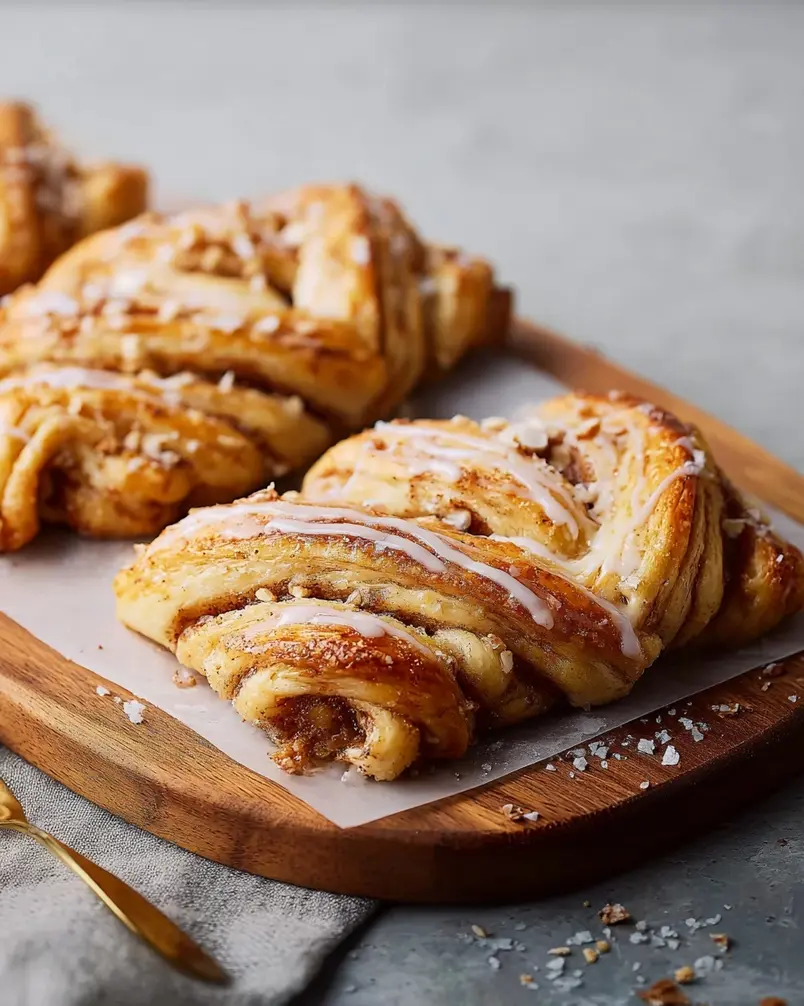
Step-by-Step: Crafting Your Danish Kringle Masterpiece
Let’s get baking! Follow these steps closely, and you’ll be enjoying your homemade Danish Kringle in no time.
Step 1: Building the Dough Foundation
In a large bowl, whisk together the 3 cups of all-purpose flour, ¼ cup granulated sugar, and 1 teaspoon salt. In a separate bowl, combine ½ cup of ice water with the beaten egg. Gradually add the wet ingredients to the dry ingredients, mixing with a fork until a shaggy dough forms. Turn the dough onto a lightly floured surface and knead gently for about 2-3 minutes, just until it comes together. Do not overwork it; we want it tender. Form the dough into a rough rectangle, wrap it tightly in plastic wrap, and refrigerate for at least 30 minutes.
Step 2: The Butter Block – The Secret to Flakiness!
While the dough chills, prepare your butter block. Place the cold, cubed butter on a piece of parchment paper. Cover with another piece of parchment paper and pound the butter with your rolling pin until it forms a roughly 6×8 inch rectangle. It doesn’t need to be perfectly smooth; some texture is fine. Chill this butter block in the refrigerator until firm, about 20-30 minutes. This chilled butter is crucial for creating those distinct layers in your Danish Kringle.
Step 3: The Lamination Dance – Layering the Magic
Remove the dough from the refrigerator. On a lightly floured surface, roll the dough into a rectangle approximately 10×12 inches. Place the chilled butter block on top of the dough, centered horizontally, so there are about 2 inches of dough overhang on each short side. Fold one side of the dough over the butter block, then fold the other side over, like folding a letter. Pinch the seams to seal the butter inside. This is your first “turn.”
Now, rotate the dough 90 degrees. Roll the dough out again into a rectangle about 8×10 inches. Perform another “letter fold”: fold one-third of the dough over the center, then fold the remaining third over the top. This completes your second turn. Wrap the dough tightly in plastic wrap and refrigerate for at least 1 hour (or up to 24 hours for better flavor development). You want to chill the dough between folds to keep the butter solid and prevent it from melting into the dough.
Step 4: Repeat the Lamination (Optional but Recommended!)
For an even flakier Danish Kringle, perform one more set of folds and a final chill. After the initial hour of chilling, repeat Step 3: roll out the dough, perform a letter fold, rotate, roll out again, and perform another letter fold. Wrap and refrigerate for at least another hour. This creates multiple thin layers of dough and butter.
Step 5: Preparing the Delectable Filling
While your dough is chilling for its final period, prepare the filling. In a medium bowl, beat the softened cream cheese until smooth. Add the ½ cup granulated sugar, ¼ cup packed brown sugar, and 1 teaspoon vanilla extract. Mix until well combined and creamy. Stir in the ½ teaspoon cinnamon, if using. Gently fold in the 1 cup of chopped, toasted pecans. Set aside.
Step 6: Shaping Your Kringle
Preheat your oven to 375°F (190°C). Line a baking sheet with parchment paper. On a lightly floured surface, roll out your chilled dough into a large rectangle, approximately 12×18 inches. Carefully spread the cream cheese and pecan filling evenly over the dough, leaving about a 1-inch border.
Now, shape your kringle! Gently roll up the dough lengthwise, like a jelly roll, keeping it relatively tight. Pinch the seam to seal. Form the log into a ring or an oval shape. You can also cut the log in half lengthwise and then braid the two halves together for a beautiful braided effect before forming the ring. Transfer the shaped kringle to the prepared baking sheet.
Step 7: The Golden Touch – Baking Your Kringle
Brush the top of your Danish Kringle generously with the beaten egg wash. This will give it a beautiful, golden sheen as it bakes. Bake for 20-25 minutes, or until the pastry is deeply golden brown and puffed. If the kringle starts to brown too quickly, you can loosely tent it with aluminum foil.
Step 8: The Sweet Crown – Glazing Your Kringle
While the kringle is still warm from the oven, prepare the glaze. In a small bowl, whisk together 1 cup of powdered sugar, 2 tablespoons of milk (or cream), and ½ teaspoon vanilla extract (if using). Add more milk, one teaspoon at a time, until you reach a smooth, drizzly consistency. Drizzle the glaze generously over the warm Danish Kringle. Let it set for a few minutes before serving.
Nutritional Snapshot: The Goodness of Danish Kringle
While a treat, understanding the nutritional profile of your homemade Danish Kringle can be insightful. This is an estimate per serving (assuming 8 servings):
* Calories: Approximately 450-550 kcal (this can vary significantly based on butter and sugar quantities).
* Protein: 8-10g
* Total Fat: 25-35g (primarily from butter and nuts)
* Saturated Fat: 10-15g
* Total Carbohydrates: 50-65g
* Sugars: 30-40g
* Fiber: 2-3g
* Vitamins & Minerals: Contains some calcium from dairy, and nutrients from nuts (like Vitamin E, magnesium).
Data Insights: The high fat content from the laminated butter is what gives the Danish Kringle its signature flaky texture. The sugar content contributes to its indulgent appeal.
Healthier Twists: Lighter Danish Kringle Options
Craving that delicious Danish Kringle but looking for a healthier spin? Here are some modifications:
* Reduced Sugar Filling: Decrease the sugar in the cream cheese filling by half. You can also rely more on the natural sweetness of toasted nuts.
* Whole Wheat Flour: Substitute up to half of the all-purpose flour with whole wheat flour for added fiber. This might make the dough a bit denser.
* Nut-Free Filling: Replace pecans with toasted pumpkin seeds (pepitas) or sunflower seeds for a different crunch and added nutrients.
* Lighter Glaze: Make a glaze with Greek yogurt and a touch of honey or maple syrup for a protein boost and less processed sugar. Or, simply omit the glaze for a less sweet option.
* Fruit Infusion: Incorporate a thin layer of unsweetened fruit compote (like apple or berry) beneath the cream cheese layer for natural sweetness and antioxidants.
* Gluten-Free: This is challenging due to the lamination process. A gluten-free pastry flour blend can be attempted, but expect a different texture. You might find success with recipes specifically designed for gluten-free laminated doughs.
Serving Up Perfection: Delicious Danish Kringle Ideas
Your beautiful Danish Kringle deserves a grand entrance!
* Classic Coffee Companion: Serve warm slices with your favorite cup of coffee or tea. The richness of the kringle pairs wonderfully with a simple brew.
* Brunch Centerpiece: Elevate your next brunch by making your Danish Kringle the star. Arrange slices on a platter with fresh berries for a pop of color and freshness.
* Dessert Delight: For an extra decadent dessert, serve a warm slice with a scoop of vanilla bean ice cream or a dollop of whipped cream.
* Presentation Pointers: Drizzle the glaze artistically over the warm kringle. A light dusting of powdered sugar can also add an elegant finish. When slicing, use a sharp knife to ensure clean cuts that showcase the beautiful layers.
* Personal Touch: For a personalized treat, try adding a different flavored extract to the filling, like almond or lemon, to complement the pecans.
Avoiding Pitfalls: Common Danish Kringle Mistakes
Even seasoned bakers can stumble. Here are common mistakes and how to sidestep them for your perfect Danish Kringle:
* Warm Butter: Using butter that is too warm during the lamination process is the leading cause of a soggy, greasy kringle with no distinct layers. Inaccurate temperature control means the butter melts and mixes into the dough instead of creating steam pockets. Solution: Always ensure your butter and dough are cold between folds. If your kitchen is warm, chill the dough more frequently.
* Overworking the Dough: Kneading the dough too much develops the gluten excessively, resulting in a tough, chewy kringle. Solution: Knead only until the dough just comes together. The lamination process will develop the necessary structure.
* Uneven Filling Distribution: Spreading the filling too thick in one spot or leaving the edges uncovered can lead to uneven baking and an unappealing look. Solution: Aim for an even layer of filling, leaving a clean border to properly seal the dough.
* Glazing Too Soon or Too Late: Glazing a piping hot kringle can cause the glaze to melt off entirely. Glazing a completely cooled kringle means it won’t adhere as well. Solution: Let the kringle cool for 5-10 minutes before applying the glaze.
* Impatience During Chilling: Skipping or shortening the chilling times prevents the gluten from relaxing and the butter from re-hardening, leading to butter leakage during baking. Solution: Respect the chilling times. They are essential for successful lamination.
Storing Your Delicious Danish Kringle
* Room Temperature: Once cooled, the Danish Kringle can be stored in an airtight container at room temperature for up to 2 days. The pastry may soften over time.
* Refrigeration: For longer storage (up to 4-5 days), wrap the kringle tightly in plastic wrap and then foil, and refrigerate. The pastry may become firmer and less flaky when cold. Gently rewarm slices in a low oven to refresh.
* Freezing: Un-glazed kringle can be wrapped tightly and frozen for up to 2-3 months. Thaw overnight in the refrigerator. Glaze after thawing or just before serving.
* Prepping Ahead: The dough can be made and laminated up to 24 hours in advance and kept refrigerated. The filling can also be prepared a day ahead and stored in the refrigerator.
Your Danish Kringle Journey Begins!
Mastering the art of the Danish Kringle is an achievable and incredibly satisfying culinary adventure. From its delicate, flaky layers to its sweet, comforting filling, this pastry is a true testament to the magic of simple ingredients and careful technique. We’ve armed you with the knowledge, from precise pastry folding to smart ingredient swaps, to create a spectacular Danish Kringle that will impress.
Now, it’s your turn! Dive into your kitchen, embrace the process, and bake your own slice of Scandinavian heaven. We’d love to hear about your experience, see your beautiful creations, and answer any lingering questions you might have.
Frequently Asked Questions About Danish Kringle
* Q1: Why is my Danish Kringle not flaky?
A1: The most common reason is warm butter. During the lamination process, the butter must remain cold and solid to create distinct layers. If it melts into the dough, you lose the flakiness. Ensure your butter block is firm and chill the dough adequately between folds.
* Q2: Can I make the dough ahead of time?
A2: Absolutely! The laminated dough for Danish Kringle can be made and refrigerated for up to 24 hours after the final fold. This extra chilling time can even improve the flavor.
* Q3: What’s the best way to get a golden-brown crust?
A3: The egg wash is your best friend! Brushing the top of the kringle generously with a beaten egg (and sometimes a tablespoon of milk or water) before baking creates that beautiful, glossy, golden hue.
* Q4: My kringle spread too much during baking. How can I prevent this?
A4: Ensure the dough is properly chilled and that the seams are well-sealed. If you’re working in a warm environment, chilling the shaped kringle for another 30 minutes before baking can also help it hold its shape.
* Q5: Can I use a different flavor for the filling?
A5: Yes! The cream cheese and pecan filling is classic, but feel free to get creative. Almond paste, fruit preserves (like apricot or raspberry), or even a chocolate-hazelnut spread can be delicious alternatives. Just ensure the consistency is spreadable.
* Q6: How do I achieve a smooth, drizzly glaze?
A6: The key is the ratio of powdered sugar to liquid. Start with the recommended amount of milk, then add more in very small increments (1 teaspoon at a time) until you achieve a pourable, but not watery, consistency. Sifting the powdered sugar can also help prevent lumps.